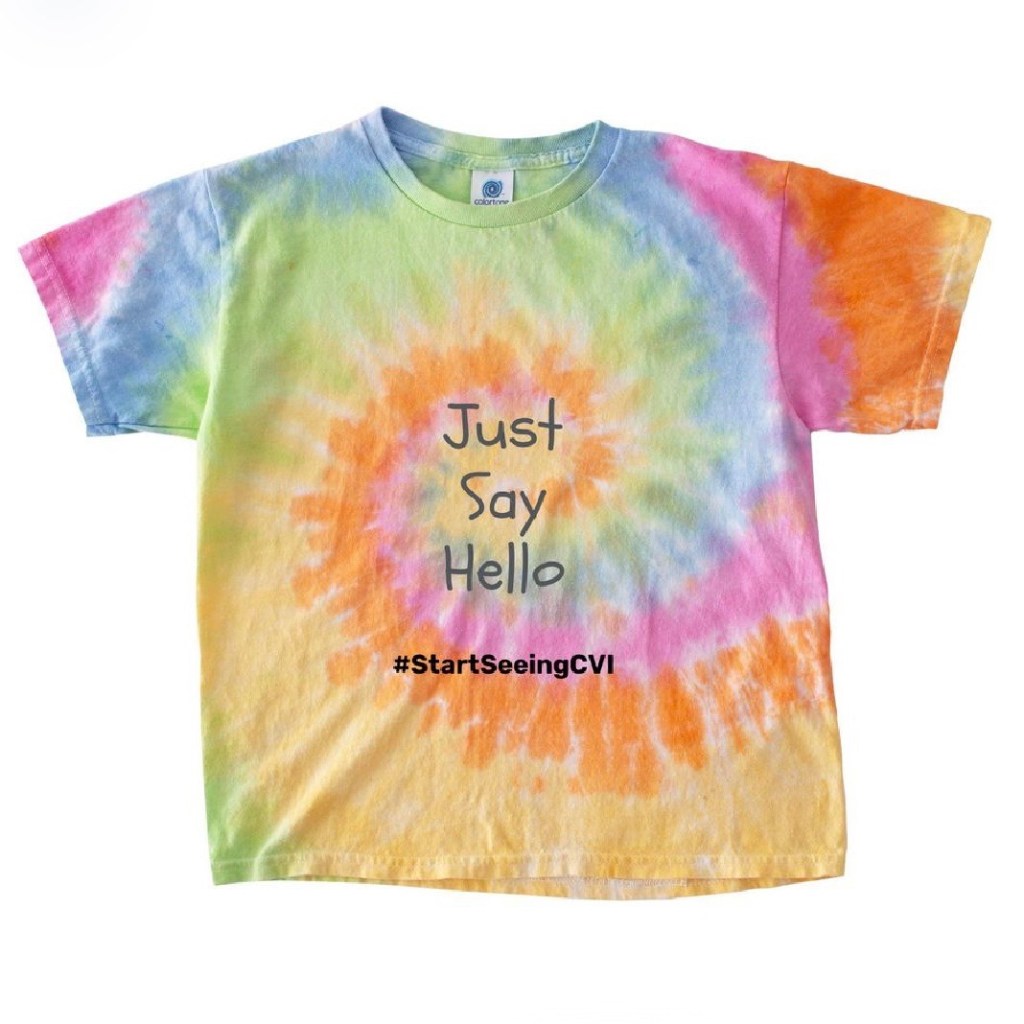
Spend your summer raising awareness of cortical/cerebral visual impairment, CVI, the leading cause of visual impairment in children.
Continue reading ““Just Say Hello” to kids with CVI”Increasing awareness of cortical visual impairment (CVI), the leading cause of visual impairment in children
Spend your summer raising awareness of cortical/cerebral visual impairment, CVI, the leading cause of visual impairment in children.
Continue reading ““Just Say Hello” to kids with CVI”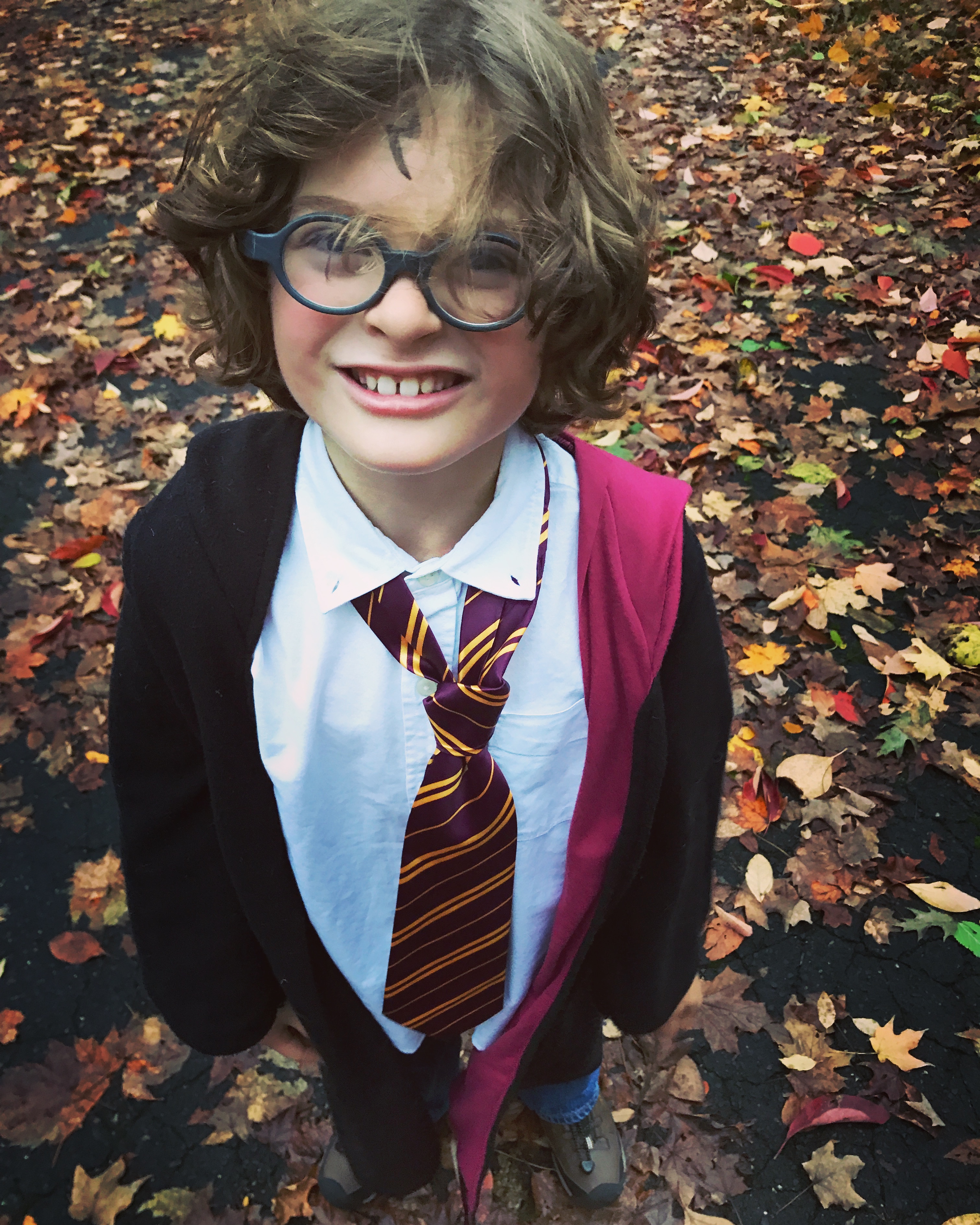 On Halloween, children of all abilities go trick or treating.
The child who comes to your door but avoids eye contact may have difficulty looking at faces (complexity).
The child who is upset in a crowd may have difficulty with complex sensory environments and sensory integration.
The child who takes f o r e v e r to pick out a single piece of candy may have difficulty with overwhelming complexity.
The child who wears the same costume three years in a row may have difficulty with novelty.
The child who excitedly tells everybody “Happy Halloween!” beginning loooong before October 31st, may be practicing his script. Continue reading ““Happy Halloween!””
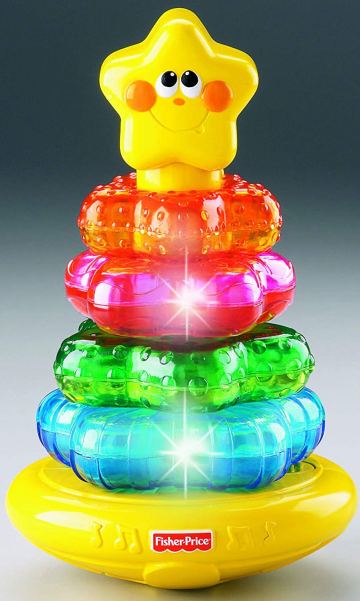 Reviewing the CVI characteristic of complexity (Roman) for a graduate class on Cortical/cerebral Visual Impairment (CVI), has me thinking about some of those early experiences with my son who has CVI. Continue reading “Seeing sensory complexity”

Leaving the Pacific Northwest and Seattle, the place that was home for twenty five years – twenty five years – does not feel like failure. Instead it feels like doing the right thing for my child. It feels like exhaling for the first time in nearly eight years, since my son’s diagnosis of cortical visual impairment (CVI). Continue reading “Moving mountains”

What I wish educators knew about my child who has cortical visual impairment (CVI). Continue reading “What I wish educators knew about my child with CVI”
 Start Seeing CVI