 Amblyopia. Exotropia. Hemianopsia. Nystagmus. Strabismus. Homonymous bilateral field defects. Cortical visual impairment. All are words that describe Jasper’s vision disability. Add to that cognitive, communication, developmental, feeding, fine motor delays, and seizures. Twelve words to describe Jasper’s vision. Simple, right? Continue reading “What Jasper Sees”
Blog
 These were the words of my son’s kindergarten teacher on our last field trip of the year. Earlier that week we had yet another IEP meeting, to hash out his vision goals, at my insistence. Partway through the meeting, it seemed appropriate to stop and acknowledge the final stretch of the school year, and my son’s progress at the end of kindergarten. Continue reading ““Thank you for making me cry at an IEP meeting””
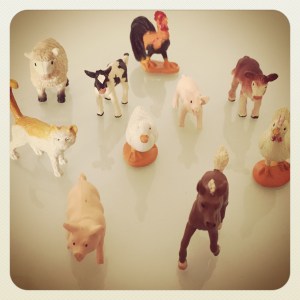
Jasper is learning from the animals. He names and sorts fake plastic animals, each one carefully described the same way, every time. Giraffe – or G-raff – is tall with a loooong neck and brown spots. Cat has pointy ears, a long tail, and whiskers. Cow has spots, udders and a wide nose. At the zoo, lion, tiger, snow leopard, jaguar are all Cats. Wolf and arctic fox are related to Dog. (salient features, comparative language, categorize, Roman-Lantzy). What makes a dog a Dog. What makes a cat a Cat. Harder than you think it is. Continue reading “Jasper and the Animals”
This could be me, talking about my son. Except my son does not have Autism – he has Cortical Visual Impairment. Continue reading ““I’m being led by the hand by my child, not the other way around.””
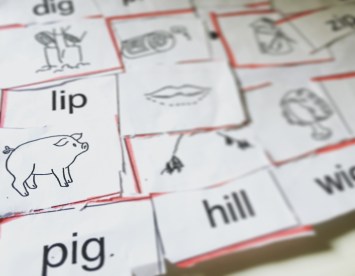
Novelty. Complexity of array. Sensory complexity. Preferred color. These are some of the characteristics of cortical visual impairment. More importantly, these are descriptors for my son’s vision. Such words have become a second language. At times it feels like a secret language. Learning any language is easiest when you are immersed in the culture. Our cultural immersion began with my son’s infant stroke and subsequent diagnosis of cortical visual impairment in 2011. Continue reading “What we talk about when we talk about CVI, part one”
 Start Seeing CVI