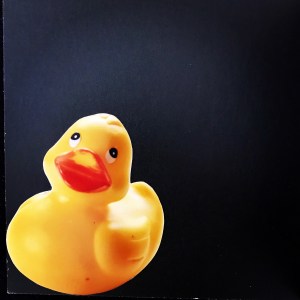
 When it is both CVI Literacy awareness month and the time of the coronavirus, you know it is going to be a brief post. What follows is a description of one approach to early literacy and books that began with the use of familiar objects (because of the CVI characteristic, novelty) as suggested by Christine Roman-Lantzy, PhD.
Continue reading “CVI first books”
 UMass Boston is accepting students into the Cortical/Cerebral Visual Impairment (CVI) graduate certificate program. Application deadline is June 1.
 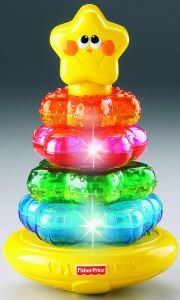 Reviewing the CVI characteristic of complexity (Roman) for a graduate class on Cortical/cerebral Visual Impairment (CVI), has me thinking about some of those early experiences with my son who has CVI.
  Some days the hardest part of your child’s cortical visual impairment (CVI) is not trying to make sense of his vision, but trying to make sense of your sensory kiddo. At least this is how it is whenever it comes to dealing with boo boos or injury, illness, sickness or trauma.
  It is hard to be the constant bearer of hard things. Hard to tell him about yet another appointment. Hard to tell him about another assessment. Hard to tell him about a new diagnosis. Hard to tell him about, perhaps, another intervention. Hard to tell him it’s an early pick up day, because a change in routine is hard. You do not look for more things, but you follow up. You do all you can now, in the hope of making life easier for him down the road. Nobody said parenting a child with cortical visual impairment (CVI) is easy. Nobody said it today.
  Start Seeing CVI